


The Importance of Honey to the Batwa People
Updated: Dec 1, 2025
Honey holds a special place in the culture and daily life of the Batwa people, an indigenous community in East-Central Africa, including southwestern Uganda where we work. For the Batwa, honey is more than just a sweet treat; it is a vital resource that supports their health, economy, and traditions. This natural product shapes their connection to the forest and sustains their way of life.
Unfortunately, since their forced removal from Bwindi Impenetrable Forest, which they've relied on since time immemorial, they have not had easy access to wild honey anymore. That's where RSF comes in.
After discussions with the Kalehe Batwa, we plan to create a honey bee project with them. This allows them to access honey for food and medicine, and even sell it to bring income to their families.
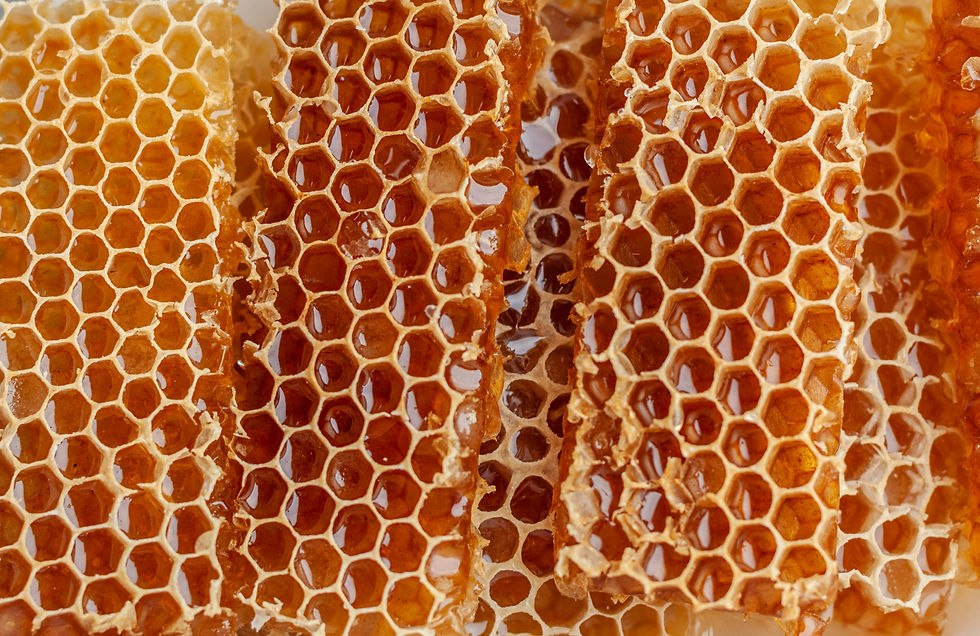
Honey for Nutrition and Medicine to the Batwa
In the past, Batwa relied on honey as a key part of their diet. It provides a natural source of energy and essential nutrients, especially during times when other food sources are scarce. Honey’s high sugar content offers quick nourishment, which is crucial for the Batwa’s physically demanding lifestyle when they were hunters and gatherers in the forest.
Beyond nutrition, honey serves as a traditional medicine. The Batwa use it to treat wounds, coughs, and digestive issues. Its natural antibacterial properties help prevent infections, making it a valuable remedy in areas with limited access to modern healthcare. This dual role of honey as food and medicine highlights its indispensable value.
The Cultural Significance of Honey to the Batwa
Honey plays a role in Batwa cultural rituals and social life. It is often used in ceremonies and celebrations, symbolizing sweetness and prosperity. The act of honey harvesting itself is a communal event that strengthens social bonds and passes on traditional knowledge.
The Batwa’s respect for bees and their hives reflects a deep spiritual connection to nature. They believe that bees are messengers and protectors of the forest, which reinforces their commitment to living in harmony with their surroundings. Batwa would create fire by rubbing sticks together, then smoke out bees from hives found in trees, which they climbed, or in the ground. Did you know bees were found in the ground? I didn't.
The Economic Importance of Honey to the Batwa
Honey collection can be an important economic activity for the Batwa. They once harvested honey from wild bee colonies found deep in the forest, using skills passed down through generations. This practice not only provides food but also generates income when honey is sold or traded with neighboring communities. Unfortunately, they no longer do this in our area but some Batwa communities have found success with domesticated bees.
The income from honey sales helps the Batwa buy other essential goods and supports their families. It also encourages sustainable forest use, as the Batwa depend on healthy bee populations and intact forests to continue harvesting honey. This creates a natural incentive to protect their environment.

Why Don't the Batwa Have Honey Today?
Despite its importance, the Batwa face challenges in accessing honey as they're restricted from accessing forested areas, where wild bees are abundant. Deforestation, land loss, and changing climate conditions threaten bee habitats and reduce honey availability outside the forest. These pressures risk undermining the Batwa’s food security, health, and cultural heritage.
Supporting the Batwa means recognizing the value of honey in their lives and promoting sustainable forest management. Efforts to protect forests and empower indigenous communities can help preserve this vital resource for future generations. This is why we've been planting native trees, as well as fruit trees, throughout Kalehe Village for the last several years. But now, we're also going to bring in constructed bee hives and trained experts to teach them how to raise bees.
See below for a video recorded by Wendee Nicole of our Batwa children at the Batwa Experience cultural tourism program, where elders teach tourists as well as Batwa youth about their historical culture. In the video, they are showing how they used to hunt. The animal shown is a wooden replica.
If you want to help fund bees for the Batwa, please consider donating to our Trees🌳 Bees🐝 and Goats🐐 Please! Fundraiser.
Giving Options
Give a Goat 🐐 Kid: $50 — Provide a family with future food security
A Goat for X-Mas 🍲 Dinner: $100 — We'd like to give at least one for eating on Christmas Day
Build a Goat 🐐 Pen: $250 — Ensures safe housing for the animals.
Repair a Goat 🐐 Pen: $50 — For families in need of goat pen repairs.
Plant a Tree 🌳: $5 each — Specify native, fruit tree, or coffee tree if desired, or we will pick for you. Trees will be planted in Kalehe Village for the Batwa.
Build a Bee Hive 🐝: $150 each family — The next step in our Sustainable Food Forest is to give bees!
Comments